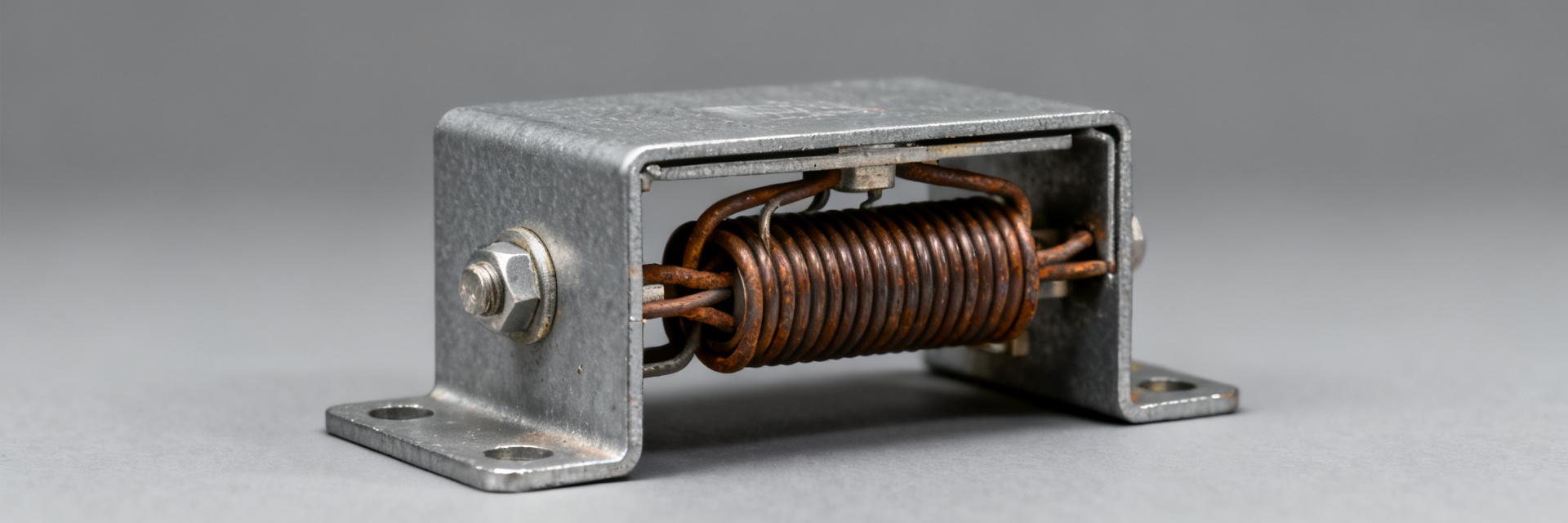
In recent test benches for high‑power braking and load‑dissipation, specific metal‑clad wire‑wound parts have shown steady thermal stability under repeated surge cycles—making specification clarity essential for engineers. This article uses bench‑focused, data‑driven guidance to explain what to capture from documentation and tests so designers can predict field behavior for the ULV 500 N 4.0 J.
The coverage includes a decoded part designation, typical construction and material impacts, the electrical and mechanical specs to verify, reproducible test protocols and interpretation guidance, application fit and limitations, plus a pragmatic pre‑purchase and installation checklist for design teams deploying high‑power resistors.
Background: What the ULV 500 N 4.0 J designation means
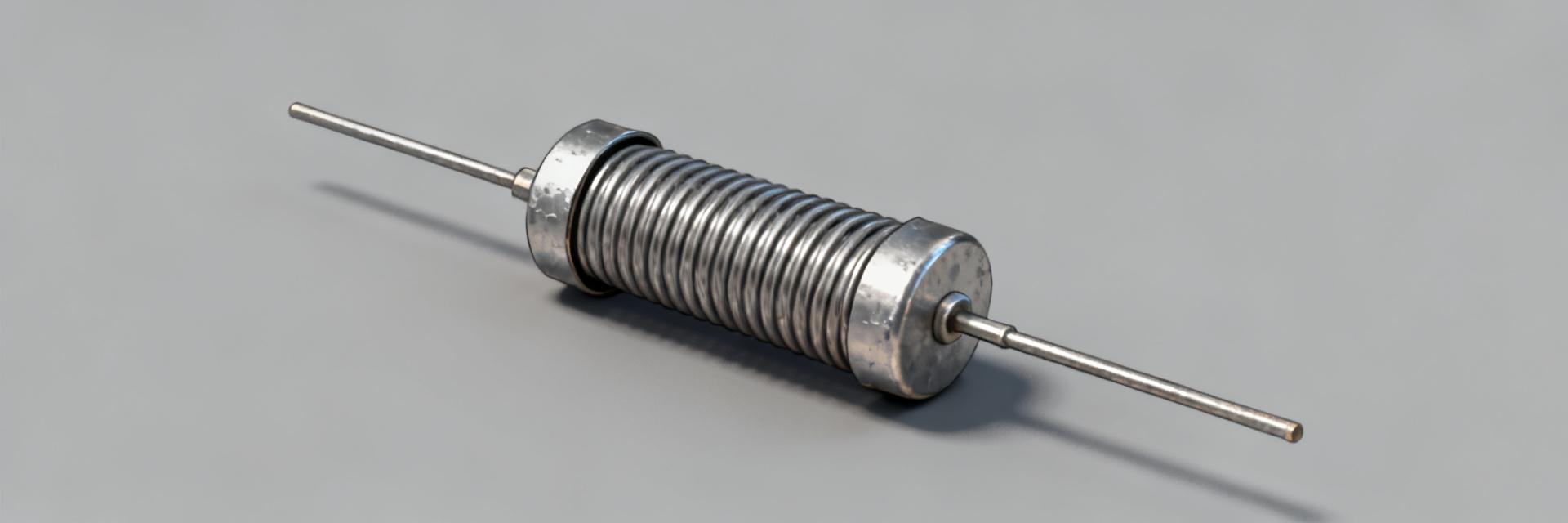
Naming decoded
Point: Part codes combine series, power class, nominal resistance and tolerance indicators.
Evidence: the token "4.0" commonly denotes nominal resistance (4.0 Ω) and the letter "J" is a widely used tolerance code indicating ±5% tolerance—confirm with the published datasheet.
Explanation: engineers should treat the series token and any power class suffix as indexing mounting style, rated power band and intended cooling method rather than as a guarantee of application performance without checking rated continuous power and surge limits on the datasheet.
Typical construction & materials
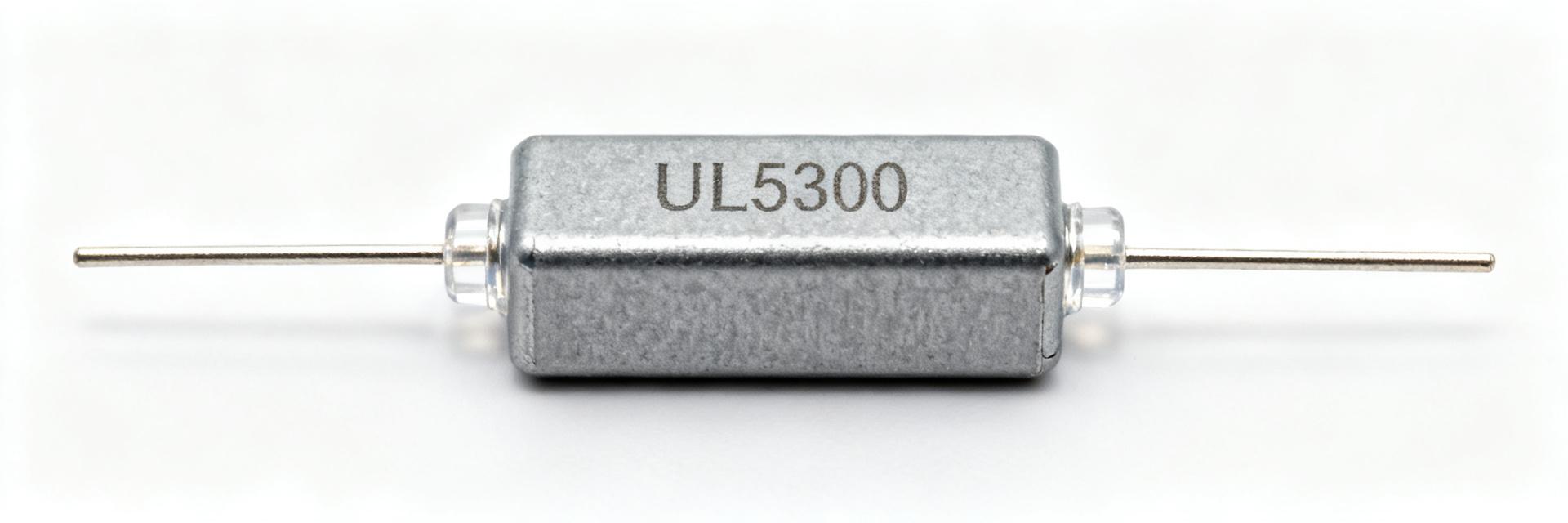
Point: Metal‑clad wire‑wound resistors use a wound resistive element inside a protective housing with defined thermal paths.
Evidence: common designs include ceramic cores, nickel‑chromium or specialized alloys for the winding, and metal housings providing conduction to mounting surfaces.
Explanation: construction choices drive inductance, thermal time constant and how heat is removed; for example, stud or tab mounting provides a lower thermal resistance path than flying leads. Always request the manufacturer’s cross‑section diagram and confirmed thermal resistance values rather than guessing.
Key electrical and mechanical specs to verify
Electrical specs: resistance, tolerance, power rating, TCR, inductance
Point: Capture the full electrical signature on purchase.
Evidence: required fields are nominal resistance (Ω), tolerance (%), rated continuous power (W), temperature coefficient of resistance (ppm/°C), maximum surge/current and frequency response or inductance.
Explanation: for dynamic braking and pulse duty, surge current and inductance determine how the resistor behaves under fast transients; if any of these fields are missing in the documentation, request lab measurements or vendor test reports before approval.
Mechanical/thermal specs: mounting, dimensions, thermal resistance, ambient/temp derating
Point: Mechanical installation and environment define usable power.
Evidence: document physical dimensions, mounting style (tab, stud, flying leads), enclosure rating, recommended torque, thermal time constant and the manufacturer derating curve.
Explanation: continuous power rating is only valid at specified ambient and mounting conditions—elevated ambient, restricted airflow or insulated mounting will require derating and can shift thermal rise and lifespan substantially.
Performance analysis: test protocols and expected behaviors
Standard tests to run or request from supplier
Point: Reproducible tests validate documented performance.
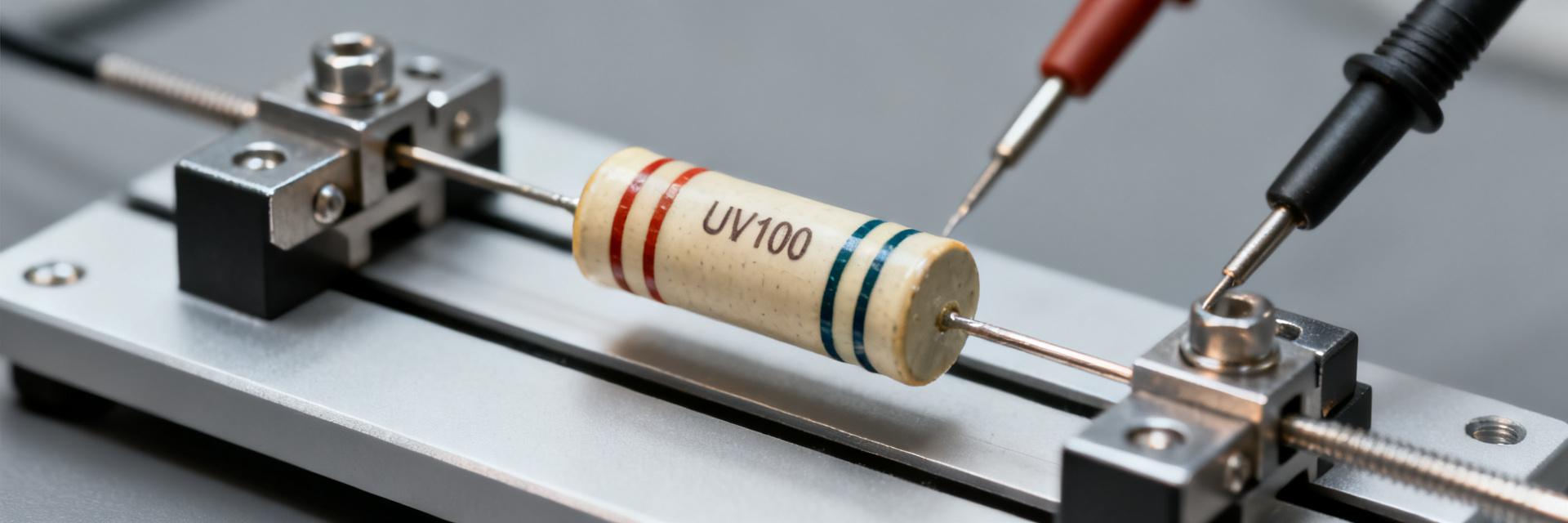
Evidence: run steady‑state power dissipation, transient/surge tests (single pulse and repetitive), thermal cycling, insulation/leakage and resistance stability over time under load.
Explanation: specify ambient temperature, measurement points on the housing or terminals, data acquisition sampling rates and instrument calibration; for pulse tests record peak current, pulse width, duty cycle and pre/post‑pulse resistance to correlate thermal and electrical response.
Interpreting results: what good vs. problematic looks like
Point: Define pass/fail criteria before testing.
Evidence: key indicators include thermal rise vs. rated limits, resistance drift (% change), mechanical integrity (no cracking or terminal loosening), change after surge and time‑to‑failure trends.
Explanation: as a practical threshold, a resistance drift exceeding 2–3% after endurance cycling or repeated surges typically warrants deeper analysis or qualification testing; any physical degradation of the housing or terminals after rated stress is a non‑starter for critical systems.
Application fit: where ULV 500 N 4.0 J excels (and where it doesn't)
Best-fit use cases
Point: Match part strengths to system demands.
Evidence: high‑power metal‑clad wire‑wound units excel at dynamic braking in motor drives, load banks, precharge or discharge duty and energy dissipation in power electronics because of robust thermal paths and mechanical ruggedness.
Explanation: sizing for braking requires calculating energy per pulse (½·C·V² or motor kinetic energy), pulse duration and thermal recovery time; use the resistor’s surge capacity and derating curve to confirm acceptable steady‑state and transient temperatures under expected duty.
Limitations and alternative choices
Point: Know when to avoid this topology.
Evidence: the inductance of wound elements can impair performance in high‑frequency or RF applications; similarly, unprotected housings are vulnerable in extreme humidity without conformal protection.
Explanation: consider non‑inductive windings, specially filled housings, or parallel arrays for lower inductance or higher current capacity, and allow adequate spacing for convection and correct torque on terminals to prevent premature failure.
Selection & implementation checklist
Pre‑purchase checklist
Point: Confirm a consistent set of specification fields before procurement.
Evidence: verify nominal Ω, tolerance, rated power, surge capacity, TCR, inductance, dimensions, mounting method and any required certifications on the datasheet.
Explanation: procurement should also request thermal images, life‑test reports and derating curves; if these artifacts are unavailable, add supplier‑agreed test milestones to the purchase order to reduce qualification risk.
Installation, monitoring and maintenance tips
Point: Proper installation and monitoring extend service life.
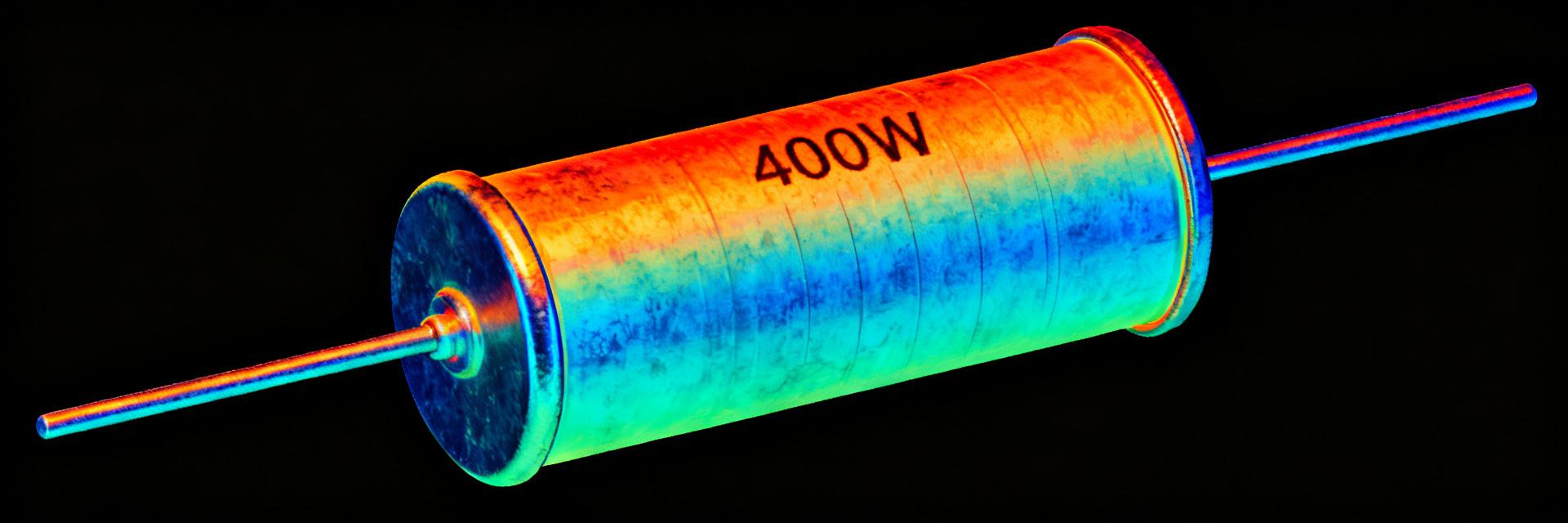
Evidence: follow specified torque values, maintain clearance for convection, consider forced cooling if operating near rated limits, and schedule periodic inspections using IR thermography and resistance checks.
Explanation: implement a simple troubleshooting matrix (symptom → likely cause → next step) and log thermal and resistance trends to detect early drift; this prevents unexpected failures in high‑availability systems.
Summary (conclusion and CTA)
Recap: The ULV 500 N 4.0 J offers a robust solution for high‑energy dissipation tasks where wire‑wound, metal‑clad construction is appropriate; the crucial buying factors are verified power rating, surge capacity, TCR and mechanical mounting details. Action: always verify datasheet values, request targeted lab tests where documentation is incomplete, and apply the checklist and test protocols outlined here before deployment.
- Confirm the core electrical specs (nominal resistance, tolerance, rated power) and inspect derating curves to size the resistor safely for braking or pulse duty.
- Request or run surge and endurance tests that record resistance drift and thermal rise; flag >2–3% drift after cycling for further evaluation.
- Verify mechanical mounting details and thermal resistance; improper mounting or restricted airflow reduces usable power and life.
Frequently Asked Questions
What does "4.0 J" mean in a resistor part code?
Answer: "4.0" denotes the nominal resistance value in ohms (4.0 Ω) while "J" is a standard tolerance code typically indicating ±5%. Always confirm these interpretations against the component datasheet because series prefixes and suffixes can vary between product families.
What tests confirm a high‑power resistor's surge capability?
Answer: Surge capability is validated with single‑pulse and repetitive pulse tests specifying peak current, pulse width and duty cycle, plus post‑pulse resistance checks and visual inspection. Include ambient conditions and measurement points in the test report so results are reproducible and comparable to datasheet claims.
How should I derate a metal‑clad resistor for ambient temperature?
Answer: Use the manufacturer derating curve that relates allowable continuous power to ambient temperature and mounting conditions; if the curve is not provided, require the vendor to supply it or conduct controlled thermal testing. In production, apply conservative margins and monitor in situ temperatures with IR thermography during commissioning.