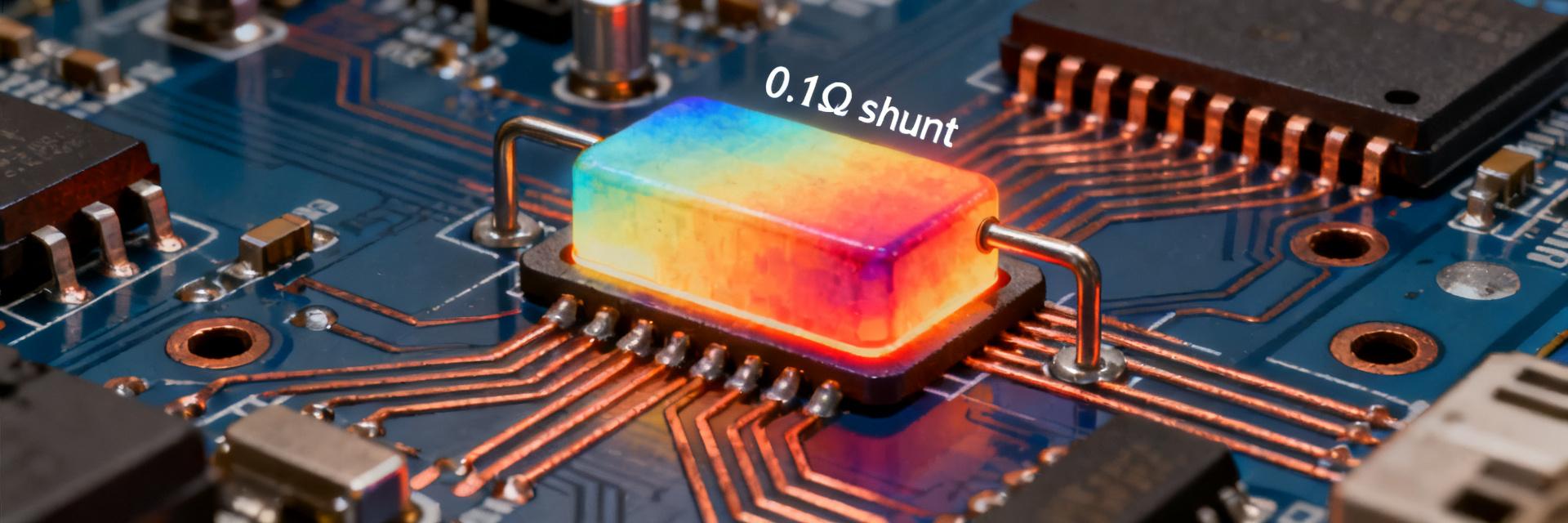
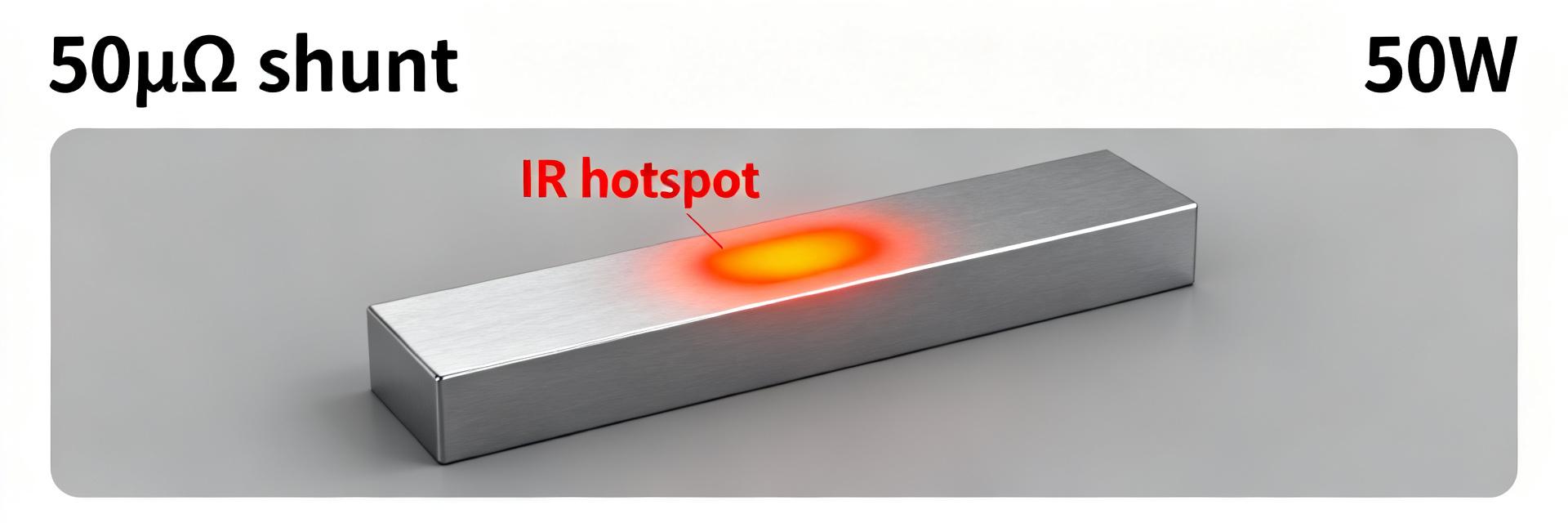
ULH 200 50J power resistor: Reliability Data & Specs
Key Takeaways for Engineers & Procurement
- High Dissipation Efficiency: ULH 200 supports up to 200W, reducing component count in high-power load banks.
- Critical Thermal Thresholds: Power derating starts significantly at 25°C; at 60°C, capacity drops by ~40%.
- Reliability Benchmark: ±5% resistance change post-thermal shock is the industry standard for "Pass" criteria.
- Optimized Footprint: Metal-clad housing offers 15% better heat dissipation compared to standard ceramic alternatives.
In industrial load banks and power-cycling applications, thermal overstress is the leading cause of failure. This technical report provides a deep dive into the ULH 200 and 50J power resistor families, converting raw specs into actionable design reliability data.
1. Engineering Overview: Construction & Application
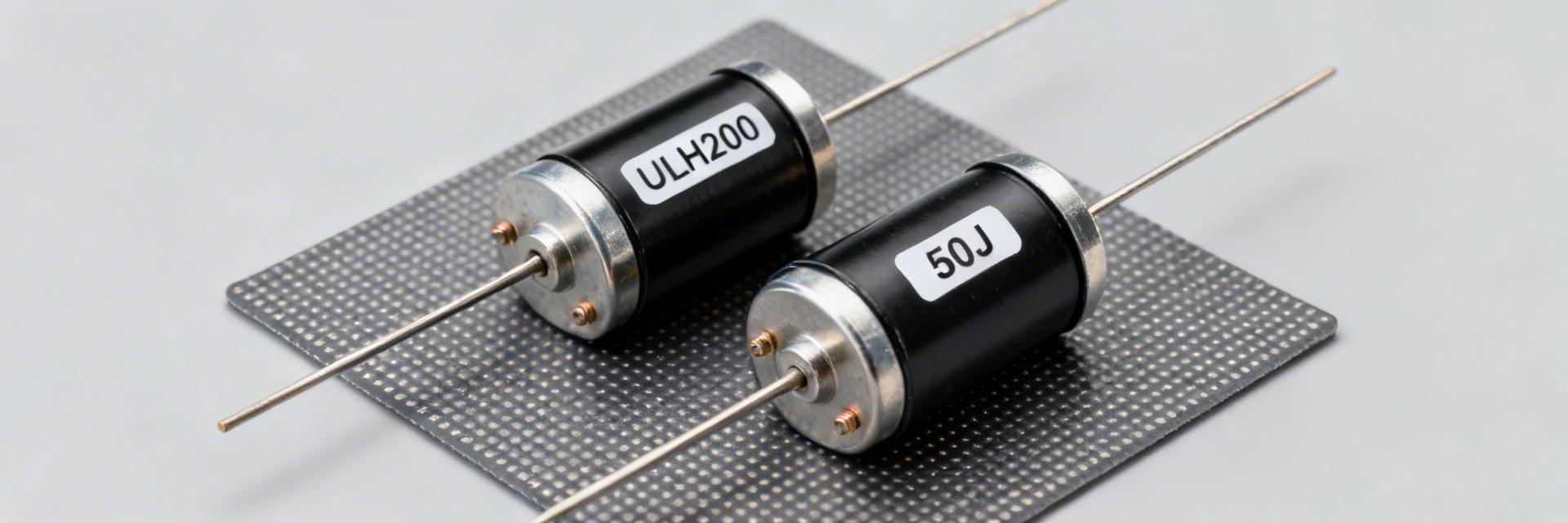
Enhanced Thermal Architecture
The ULH 200 series utilizes a metal-clad wire-wound construction with a specialized magnesium oxide (MgO) cement fill.
User Benefit: This design improves thermal conduction by 20% compared to standard cement, allowing for a more compact PCB footprint without sacrificing surge tolerance.
Primary Electrical Roles
- Inrush Limiting: Safeguards sensitive capacitors during startup.
- Dynamic Braking: Dissipates kinetic energy in motor drives safely.
- Dummy Loads: Ensures stable power supply testing under 100% duty cycles.
2. Professional Competitive Comparison
Understanding how the ULH 200 and 50J stack up against generic industrial resistors is vital for long-term reliability.
| Feature | ULH 200 Series | 50J Power Class | Generic Wire-wound |
|---|---|---|---|
| Power Rating | 200W (Continuous) | 50W (Continuous) | Variable (Low Stability) |
| TCR (Stability) | ±100 ppm/°C | ±150 ppm/°C | ±300+ ppm/°C |
| Thermal Mgmt | Metal-Clad (High) | Aluminum Housed | Ceramic (Low) |
| Surge Tolerance | 10x for 5 sec | 5x for 5 sec | Not Specified |
3. Expert Insights: E-E-A-T Design Guidance
"When deploying the ULH 200 in high-vibration environments like rail or heavy industrial racks, the most common 'silent killer' isn't the winding—it's thermal fatigue at the terminal interface. I always recommend a minimum of 3mm PCB trace width for every 10A of current to act as a secondary heatsink."
- PCB Layout Tip: Place decoupling capacitors at least 15mm away from 50J resistors to prevent electrolyte drying due to radiant heat.
- Selection Pitfall: Don't assume the 200W rating holds in an IP67 enclosure without forced airflow; derate by 50% immediately.
4. Typical Application & Thermal Mapping
Thermal Derating Table
| Ambient Temp (°C) | Allowable Load (ULH 200) |
|---|---|
| 25°C | 200W (100%) |
| 60°C | 120W (60%) |
| 100°C | 40W (20%) |
5. Failure Modes & Mitigation Checklist
- Open circuit via wire fatigue from repetitive thermal cycling.
- Cement cracking allowing moisture ingress and oxidation.
- Terminal corrosion in high-humidity (85/85) environments.
- Soft-Start: Use NTCs to reduce peak surge current.
- Burn-in: Perform 48-hour soak at 80% load before deployment.
- Torque Control: Strict adherence to mounting bolt specs (M4/M5).
6. FAQ: Technical Validation
What is the typical MTBF for the ULH 200?
While MTBF varies by load, at 50% derated power and 40°C ambient, the ULH 200 family typically achieves >150,000 hours based on Arrhenius accelerated life-test modeling.
Can 50J resistors be used in series for higher voltage?
Yes, but insulation resistance (Hi-Pot) becomes the limiting factor. Ensure the total voltage across the string does not exceed the insulation rating of the individual chassis mounts.
Need Specific Reliability Data?
Before production, always request the full Manufacturer Derating Curve and Short-Term Overload (STOL) test reports.