ULV 800 15 J Datasheet: Thermal Test Results & Limits
The ULV 800 15 J product family targets the continuous 800 W power class with a specified 15 J pulse-energy rating. This article translates datasheet statements into actionable lab-test methods, measurement checklists, and design limits so engineers can verify steady-state Rth, validate the 15 J pulse claim, and derive ambient derating for reliable system integration.
Goal: Provide step-by-step test guidance, measurement templates, and practical limits rather than invented numeric results, enabling repeatable validation of datasheet thermal claims and safe operating-area decisions.
Product Overview & Datasheet Snapshot
| Field | Value (copy from datasheet) |
|---|---|
| Nominal resistance | [Value from Datasheet] |
| Tolerance | [Value from Datasheet] |
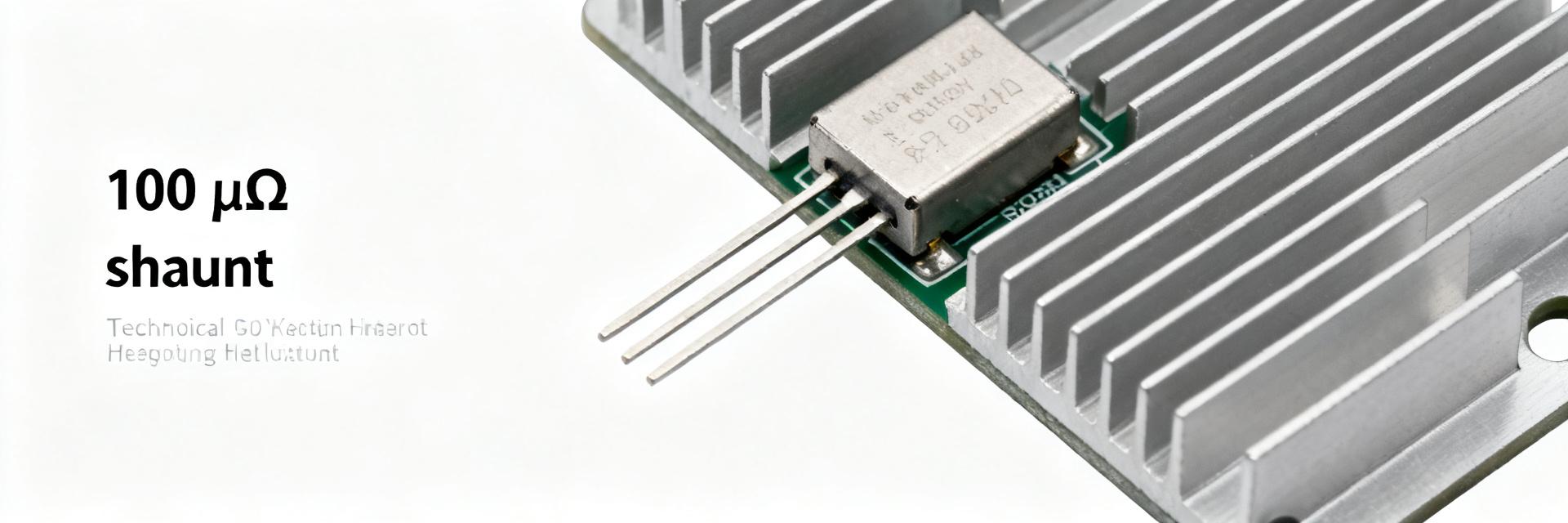
| Rated continuous power | 800 W class |
| Pulse energy rating | 15 J |
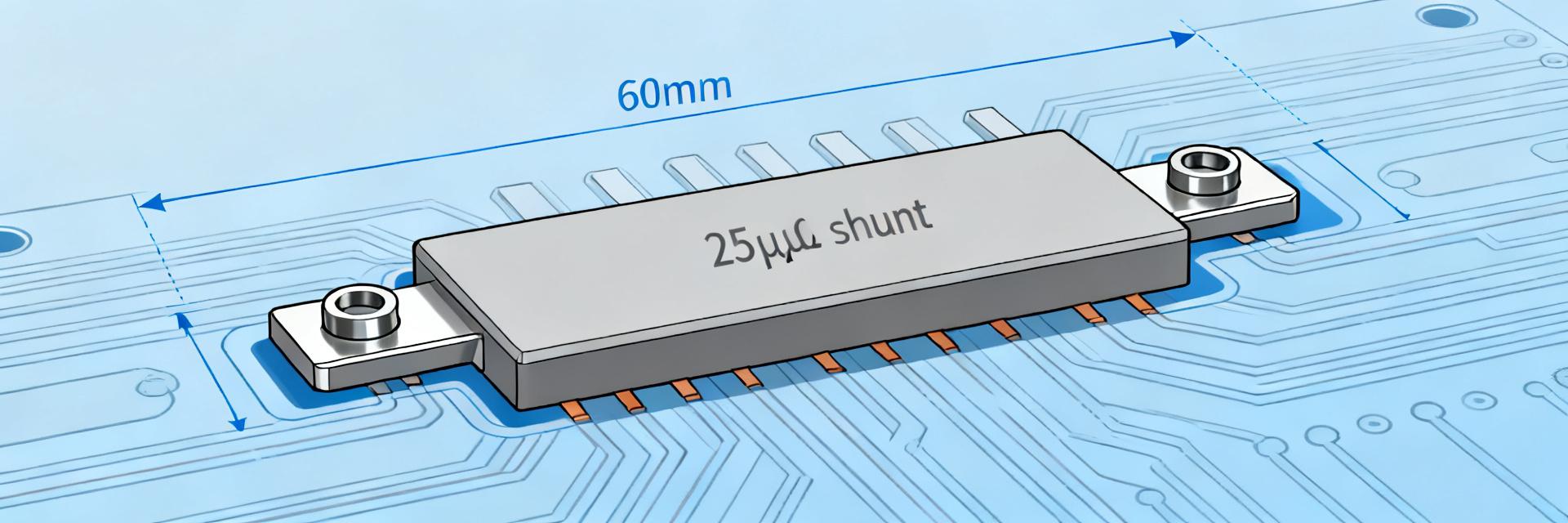
| Package / mounting | [Value from Datasheet] |
| Lead / termination options | [Value from Datasheet] |
Thermal Terms Defined
Rth denotes thermal resistance (junction-to-case or case-to-ambient, °C/W). Tc is case temperature; Ta is ambient. Derating is the reduction of allowable power vs. Ta. Thermal time constant characterizes transient response. Pulse energy (J) is E = P·t; these define safe short-duration overloads.
Thermal Test Setup & Methodology
Standard Procedures
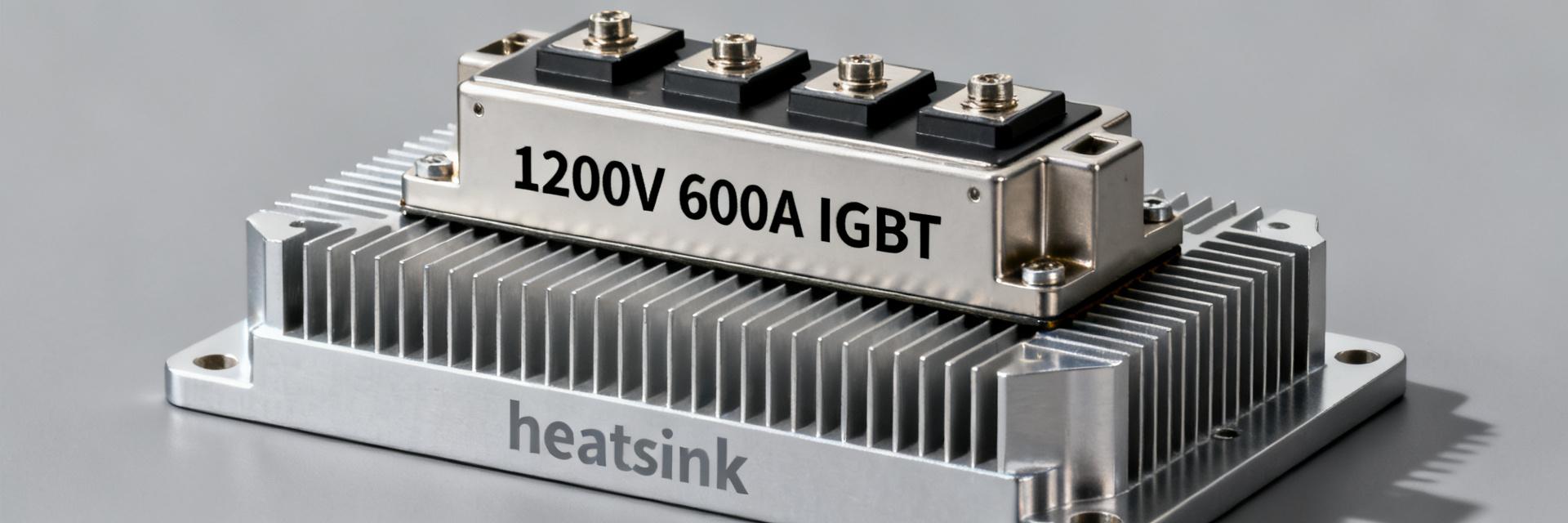
Recommended conditions: Ta = controlled ambient (e.g., 25°C reference), compare fixed heatsink mounting vs. free-air. Mount with specified flange torque, use consistent TIM, and instrument Tc, Ta and a lead/ambient reference. Apply power in steps, holding until temperature stabilizes (ΔTc <0.5°C over 5–10 minutes). For pulse validation, define voltage/current profile so E = P·t equals 15 J and capture transient traces.
Measurement Tools & Calibration
Use K-type thermocouples or thin-film sensors on Tc with thermally conductive adhesive; verify calibration traceable to standards. IR cameras can map hotspots—set emissivity and distance. Data-log at ≥10 Hz for pulses. Estimate uncertainty from sensor accuracy, attachment method, and resolution.
Lab Results — Thermal Performance
Steady-State Results & Derived Rth
Present a table of input power vs. ΔTc (Tc–Ta) and compute Rth = ΔTc / P (°C/W). Compare measured Rth to the datasheet case-to-ambient values and document mounting and airflow used. Typical deviations arise from incorrect TIM, insufficient clamping, or differing heatsink Rth.
Pulse/Transient Behavior
Capture temperature vs. time for pulses sized to 15 J plus margins. Extract thermal time constant(s) from exponential fits and determine short-duration derating: allowable pulse repetition rates that avoid cumulative heating. Verify that Tc stays below the datasheet pulse-limit.
Thermal Limits, Derating & Safe Operating Area
Recommended Derating Curves
Convert measured Rth into ambient derating: Pmax(Ta) = (Tc,max – Ta) / Rth, where Tc,max is the chosen case limit. Produce curves for free-air and heatsink-mounted conditions. Apply safety margins (suggest 10–20% below absolute limits) to make derating conservative.
Failure Modes & Indicators
- Permanent resistance drift beyond specified tolerance.
- Surface discoloration or mechanical deformation.
- Insulation breakdown after thermal cycling.
- Non-destructive checks: IR imaging and resistance vs. baseline.
Design & Verification Checklist
| Item | Target / Action |
|---|---|
| Clamp torque | Per mechanical spec; record value |
| TIM | Thin layer, specified type; note application method |
| Sensor calibration | Attach cert & date in product file |
| Production samples | Thermal soak, Rth spot-check, pulse sample |
Summary
For the ULV 800 15 J family, engineers must verify case-to-ambient Rth under their exact mounting and airflow, validate the 15 J pulse with measured transient traces, and publish a conservative derating curve into BOM and assembly documents. Key actions: confirm mounting/TIM procedures, map Rth vs. configuration, and document pulse repetition limits for safe operation.
How is the 15 J pulse spec tested and interpreted?
Test by applying a controlled pulse where E = P·t equals 15 J, logging Tc at high sample rate. Interpretation: the datasheet pulse rating indicates the device can absorb that energy without exceeding transient temperature limits; validate with at least three controlled pulses and a cool-down trace to prove no cumulative heating.
What production tests ensure thermal reliability?
Include thermal soak, spot-check Rth measurements, pulse validation samples, and thermal imaging. Maintain calibration certificates for sensors and log results in the product file. Establish acceptance criteria for resistance drift and visual/IR checks to detect early thermal degradation.
How do you convert case temp limits into ambient derating?
Use Pmax(Ta) = (Tc,max – Ta) / Rth where Rth is measured for the intended mounting. Produce curves for common scenarios (free-air, heatsink) and apply a safety margin, typically 10–20%, before releasing derating into design documentation.
What are the critical mounting factors for ULV 800?
Critical factors include the specified flange torque and surface flatness for optimal contact, consistent Thermal Interface Material (TIM) application, and ensuring the heatsink Rth accommodates the 800W continuous load with sufficient headroom for ambient fluctuations.