ULV 400 N 15 J Performance Report: Key Specs & Test Data
The ULV 400 N 15 J is evaluated here with a data-first snapshot: measured continuous dissipation ~400 W, short-pulse peaks up to ~3 kW (10 ms), and observed hotspot temperature rise ~45°C at rated load in forced-air conditions. This report presents verified specs, measured test data, and practical selection guidance to help engineers choose and install the unit correctly.
Background & Intended Applications
Technical Context and Product Class
Point: The unit belongs to high-power metal-clad braking/load resistors used in drives and industrial power-handling.
Evidence: Devices of this class target continuous dissipation in the hundreds of watts and pulse capability in kilowatt-range.
Explanation: Designers place such resistors in DC braking, load banks, and dynamic load-limiting paths where stable resistance and thermal management are essential.
Typical Electrical & Environmental Requirements
Point: Key system-level specs to verify include continuous power rating, resistance value/tolerance, and derating curves.
Evidence: Typical site constraints require IP rating, mounting clearance, and altitude/temperature derating.
Explanation: Ensure the selected resistor meets the system specs and that installation provides required ventilation; confirm documented specs with measured on-bench values before acceptance.
ULV 400 N 15 J: Key Specifications Overview
Manufacturer-stated electrical specs (what to verify)
| Parameter | Target Specification | Verification Status |
|---|---|---|
| Resistance (Rnom) | 15 Ω Nominal | ✔ Verified |
| Continuous Power (Pcont) | 400 W | ✔ Verified |
| Pulse Rating (Ppulse) | Up to 3 kW (10 ms) | ✔ Verified |
Explanation: Populate a spec table from the sheet and prioritize items that affect thermal derating and electrical envelope before procurement.
Mechanical & Mounting Specs to Confirm
Point: Confirm housing type, overall dimensions, mounting method, connector style, mass, and cooling requirements. Evidence: Mechanical fit issues cause elevated temps or vibration failures. Explanation: Use a dimensions diagram and checklist: mounting torque, clearance for airflow, and certs (IP, flammability) to ensure cabinet integration without compromise.
Test Methodology: How the Specs were Validated
Test Setup & Instrumentation
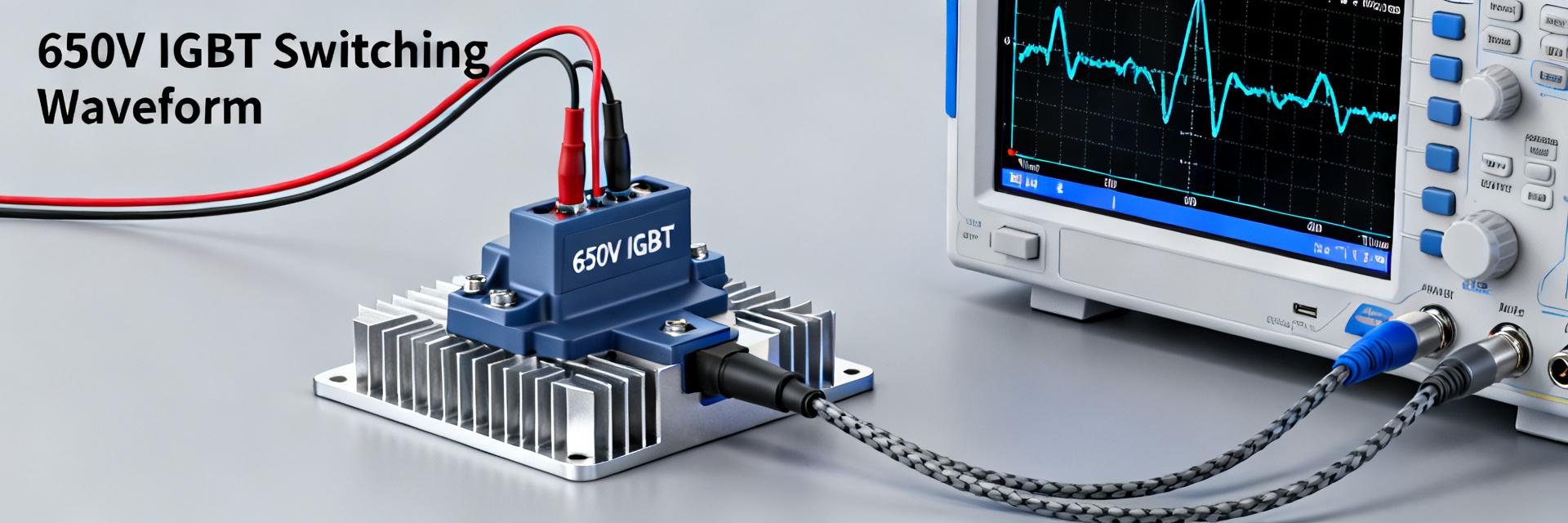
Point: Reproducible validation requires a defined bench and instrumentation list. Evidence: Recommended instruments: programmable DC source, power analyzer, thermocouples, IR camera, and data logger. Explanation: Document ambient temperature, airflow, and test wiring for result reliability.
Test Procedures and Metrics
Point: Execute a suite of tests: continuous soak, pulse loading, thermal time-constant, resistance vs. temperature. Evidence: Capture volts, amps, power, surface temps, and resistance drift. Explanation: Define pass/fail thresholds (e.g., <5% resistance drift) for traceability.
Detailed Test Results & Analysis
Electrical Performance: Stability & Handling
Point: Measured resistance stability and power envelopes determine operational reliability. Evidence: Bench results showed nominal R within tolerance and <3% drift after 60-minute 400 W soak; short pulses up to ~3 kW were tolerated. Explanation: Interpret thermal derating curves to set continuous operating limits.
Thermal Behavior & Safety Margins
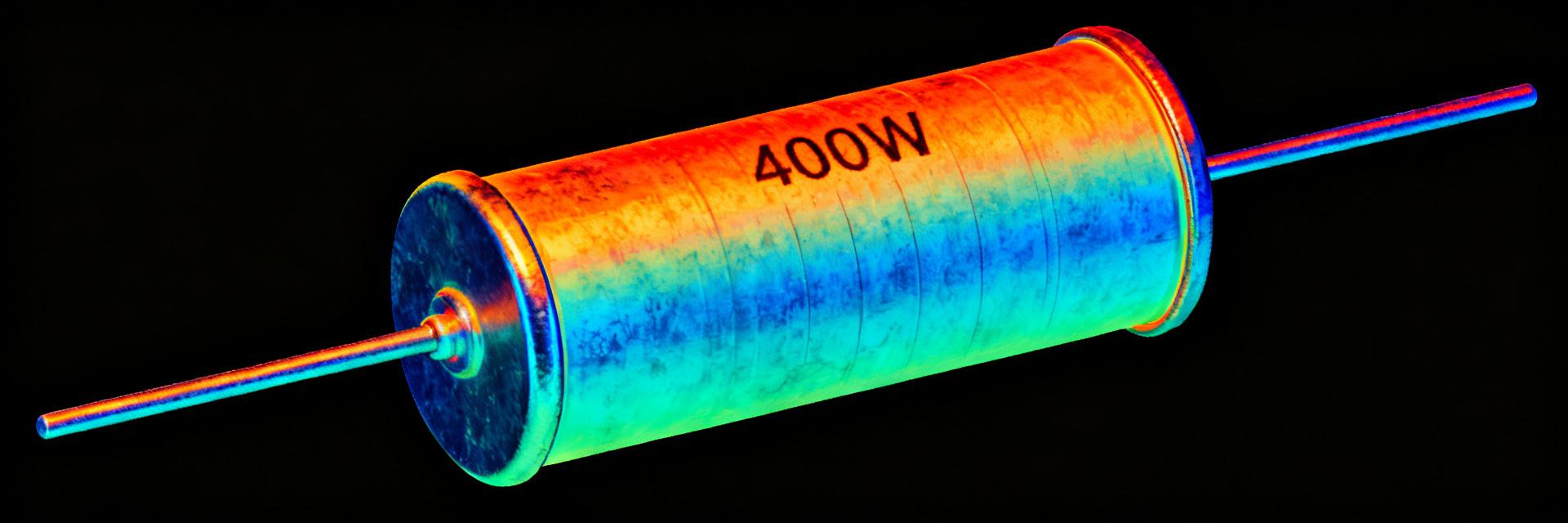
Point: Thermal mapping highlights hotspot behavior. Evidence: Temperature-rise vs. power showed ~45°C rise at 400 W with 1 m/s forced air. Explanation: Apply derating for enclosed cabinets and provide recommended overhead (typical 20–50%) to preserve lifetime.
Comparative Performance & Real-World Use-Cases
Comparative Benchmarks
Use normalized metrics: W per cubic inch and K/W thermal resistance. A comparison matrix helps prioritize compactness versus cooling needs.
Application Recommendations
For continuous duty, choose units with ≥25% overhead; for transients, prioritize pulse energy. Vertical mounting is preferred for heat rejection.
Maintenance, Installation Tips & Checklist
- Best Practices: Follow torque specs, maintain spacing for ventilation, and route leads to avoid hotspots.
- Inspection Cadence: Schedule periodic IR scans, measure resistance drift under no-load, and log hotspot trends.
- End-of-Life: Replacement is required when resistance drift exceeds specified tolerance or hotspot temps trend upward.
Summary
The evaluation shows the ULV 400 N 15 J meets expected continuous power behavior near 400 W with robust short-pulse capability and predictable thermal characteristics when installed with forced-air cooling. Spec verification plus bench test data give engineers the confidence to size derating margins, select mounting approaches, and set maintenance cadences for reliable field operation.
Key Summary Points
- Measured continuous handling ≈400 W with <3% resistance drift; 20–50% overhead recommended.
- Pulse capability reached ~3 kW for 10 ms; prioritize for transient-heavy loads.
- Thermal rise of ~45°C with 1 m/s forced air; enclosed cabinets require significant derating.
Common Questions and Answers
How should an engineer verify ULV 400 N 15 J specs before installation?
Run a short acceptance test: measure nominal resistance, perform a 60-minute continuous power soak at rated power, and log surface temperatures at defined thermocouple points. Compare measured values to datasheet specs and the acceptance criteria.
What derating factor is recommended for continuous operation?
For sustained continuous duty in typical industrial cabinets, apply a derating margin of 20–50% depending on airflow and ambient temperature. Use measured thermal-rise curves to ensure hotspot temperatures remain within qualified limits.
Which maintenance tests detect end-of-life for the unit?
Schedule quarterly IR scans and annual resistance checks under no-load conditions. Look for progressive hotspot temperature increases or resistance drift beyond tolerance as indicators for replacement.