SNXH100M65 IGBT Module: How to Read Q2PACK Specs Fast
SNXH100M65 IGBT Module: How to Read Q2PACK Specs Fast
Need to pick, verify, or replace an IGBT module in minutes? This fast, no-fluff guide shows exactly how to read SNXH100M65 Q2PACK specs so you can judge suitability, spot red flags, and extract the design numbers you need — in under 10 minutes.
Start by scanning ratings, switching data, and thermal tables; then confirm mechanical pinout and mounting. The following sections break those steps into clear checks, explain why each matters, and show quick math to validate cooling and driver choices.
✓ Quick background: What SNXH100M65 and Q2PACK mean
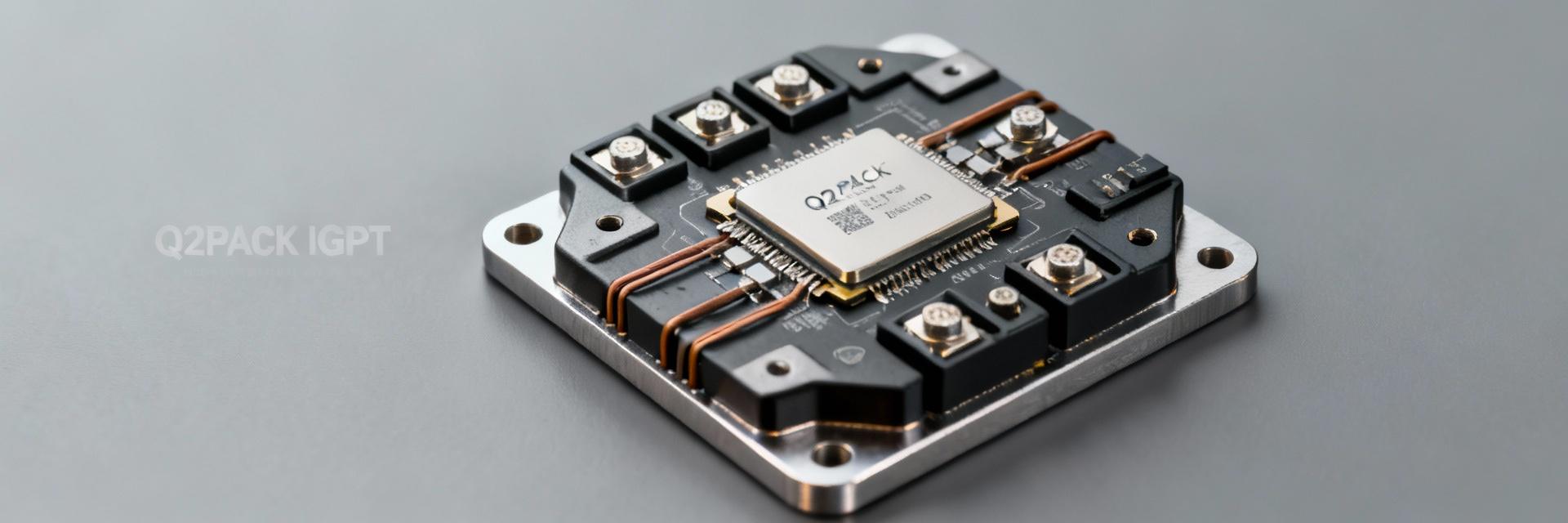
What an IGBT module does
Point: An IGBT module is a power switch that combines high-voltage IGBTs and anti-parallel diodes in a single package for motor drives, inverters, and power converters.
Evidence: Modules replace discrete parts to simplify layout and improve thermal management.
Explanation: Designers choose modules over discretes for lower stray inductance, simpler gate drive routing, and consolidated mounting — all of which speed development and improve reliability.
Q2PACK format at a glance
Point: "Q2PACK" signals a specific mechanical footprint and baseplate-mounted package family.
Evidence: That affects mounting hole pattern, baseplate size, and creepage/clearance expectations.
Explanation: When scanning Q2PACK specs, first note overall footprint, baseplate area, mounting-hole spacing, and recommended torque — these dictate heat-sink choice, thermal contact quality, and PCB clearance.
Key electrical specs to check first (fast pass)
Power & continuous ratings: Vces, Ic
Point: Confirm collector-emitter voltage and current margins before anything else. Evidence: Vces must exceed your DC bus by a margin and Ic must cover peak currents.
Explanation: Use SNXH100M65 ratings to determine required derating. If Ic is unspecified for temperature, flag it.
Switching & Diode Behavior
Point: Gate dynamics and diode behavior determine switching losses and EMI.
- Qg (Gate Charge): High Qg requires stronger drivers.
- Vf (Forward Voltage): Lower is better for efficiency.
- Cies: Input capacitance affects drive speed.
Quick Tip: Compare Qg to your gate driver current (Qg / driver current ≈ drive time).
Thermal, reliability & mechanical details
Thermal Resistance (Rth)
Point: Thermal resistance values let you convert dissipation into junction rise.
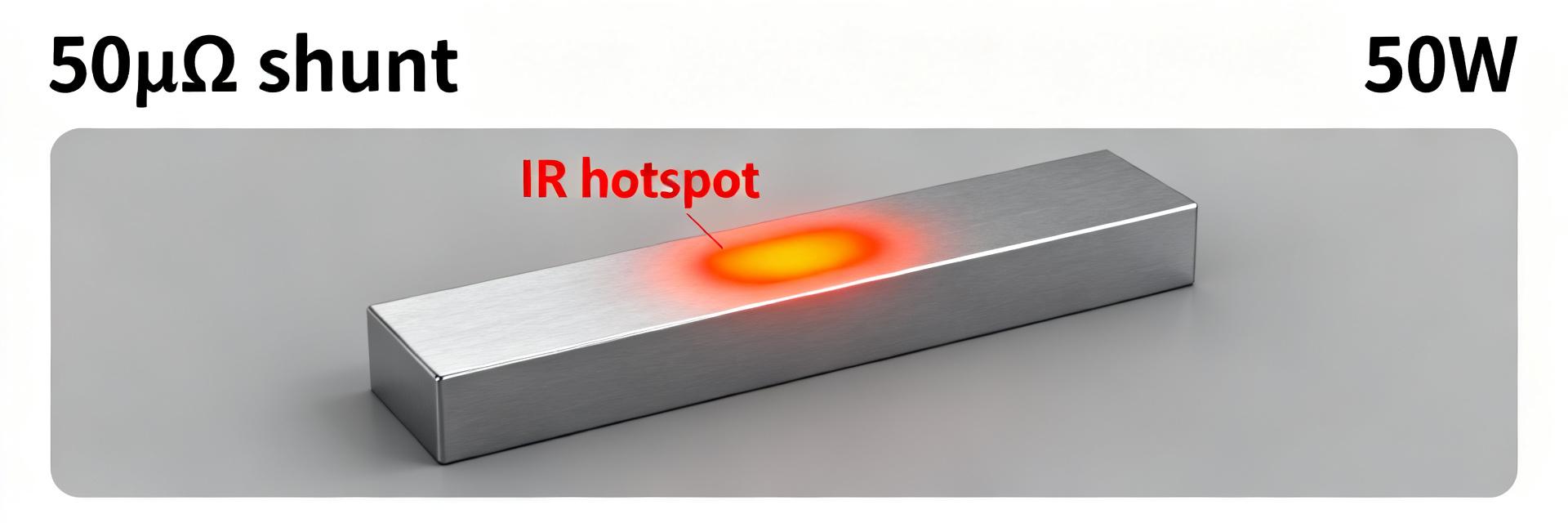
Pd × Rth → ΔT
Example: Pd = 50 W, Rthjc = 0.4 °C/W → ΔT = 20 °C rise over case.
Evidence: Rthjc and Rthja appear in the thermal table. Flag missing values or unclear test conditions immediately.
Mechanical Precision
Point: Mechanical errors cause thermal bottlenecks and electrical failure.
- Pinout must match PCB footprint exactly.
- Verify torque (e.g., 8–10 N·m).
- Check baseplate flatness tolerances.
- Verify creepage distances for safety isolation.
5-minute checklist & fast comparison method
Step-by-Step Read Checklist
- ✔ Vces: PASS if ≥ bus × 1.2.
- ✔ Ic: PASS if rated ≥ peak current × 1.25.
- ✔ Qg & Cies: PASS if driver can source Qg.
- ✔ Thermal: PASS if Pd × Rthjc keeps Tj
- ✔ Mechanical: PASS if footprint and creepage match.
Quick side-by-side comparison template
| Part | Vces | Ic @ Tcase | Rthjc | Qg |
|---|---|---|---|---|
| Candidate A | 650 V | 100 A @ 25°C | 0.35 °C/W | 60 nC |
| Tip: Normalize currents to the same temperature before comparison. | ||||
Practical example: reading a SNXH100M65 spec page-by-page
Cover & ratings summary: finding essential numbers
Point: The ratings block contains absolute maximums and recommended operating limits.
Evidence: Extract Vces, Ic (with temperature basis), Tj max, and package type at first glance.
Explanation: Copy lines into your design note: "Vces = 650 V; Ic = 100 A @ 25°C; Tj max = 150°C; package = Q2PACK." These four items decide nearly every follow-up check.
Graphs & typical characteristics: what to ignore
Point: Characteristic curves reveal real-world behavior but are condition-dependent.
Evidence: Thermal graphs, switching energy vs. current, and SOA plots often assume specific Tcase and gate resistances.
Explanation: Always check the graph's test conditions; mark any curve whose pulse width or ambient differs from your application, and avoid extrapolating beyond shown ranges.
Summary Takeaways
Ratings First
Ensure Vces ≥ bus × 1.2 and Ic ≥ peak × 1.25. This flags 90% of unsuitable parts.
Thermal Budget
Use Pd × Rthjc to get ΔT. Keep junctions safely below Tj max for long-term reliability.
Gate & Diode
Compare Qg to driver capacity and diode Vf to expected losses to size components correctly.
Mechanical Check
Verify mounting torque, pinout, and creepage before finalizing your BOM or ordering samples.